
"political history"
800 article(s) found

A brief introduction to the history and culture of the origin and development of Nicaraguan boutique coffee beans with delicate aroma
Nepalese coffee cultivation and production has a unique environment, the spread of fertile volcanic ash soil, coupled with shade planting methods, to establish a good production quality, Nepalese coffee has a rich mellow and fragrant taste, moderate acidity and a good sense of balance of bitter taste, which is regarded as top grade in the eyes of international coffee experts. Because of the national character of the Latin American people, foreign buyers

Introduction to the manor treatment of Puerto Rico coffee grinding scale varieties
In Spanish, Puerto Rico means the port of wealth. The history of coffee in Puerto Rico dates back to 1736, when coffee seedlings were brought into the country by early Spanish settlers. In the 18th world, sugar cane was the main economic crop, so little attention was paid to it. At the beginning of the 19th century, the French began to move from the Mediterranean island of Corsica because of European politics.

The cultivation of boutique coffee beans in Agua Durse, Guatemala, geographical location, climate sea.
Every 30 years or so, the area near Antigua is hit by a volcanic eruption, which provides more nitrogen to the already fertile land, and sufficient rainfall and sunlight make the place more suitable for growing coffee. Its coffee belt is distributed over 1500 meters, between 14 and 16 degrees north latitude, and it is easy to grow very hard beans, all of which are washed.

Coffee history "Coffee uprising" unveiled the prelude to the European Revolution.
The coffee ban in the city of Pyle in Siverfarde, Germany, was not well implemented, and everyone drank coffee as usual, until one day the Duke suddenly announced a strengthened law banning import license. all stores and cafes with coffee stocks have been closed. Some citizens who had no intention of repenting and continued to drink coffee were detained and sentenced to hefty fines, even for those who were banned from buying and selling coffee.

Introduction of La Reis Yaoke Coffee in San Pedro Manor, Puerto Rico
In Spanish, Puerto Rico means the port of wealth. The history of coffee in Puerto Rico dates back to 1736, when coffee seedlings were brought into the country by early Spanish settlers. In the 18th world, sugar cane was the main economic crop, so little attention was paid to it. At the beginning of the 19th century, the French began to move from the Mediterranean island of Corsica because of European politics.

A brief introduction to the Origin, Development, History and Culture of Fine Coffee beans in Happy Manor
Nicaragua is one of the major coffee-producing countries, producing high-quality coffee. Even coffee from the Antigua Mountains of Guatemala, which is famous in Asia, imports raw beans from Nicaragua. Although Nicaraguan coffee is not famous in Asia, Nicaragua coffee is already famous all over the world (Starbucks has many cooperative coffee farmers in Nepal), while several coffee-producing countries in Central America

A brief introduction to the Origin, Development, History and Culture of Fine Coffee beans in Happy Manor
When tasting Nicaraguan coffee, it is best to drink cold water first, so that you can better feel its mellow taste. Drink coffee while it is hot, because the tannins in Nicaraguan coffee are easy to change during cooling, and the taste becomes sour, which will affect the flavor of the coffee. You can add the right amount of sugar, and then add cream. Enjoy a cup of high quality Niga

A brief introduction to the Origin, Development, History and Culture of Fine Coffee beans in Happy Manor
Coffee is Nicaragua's main export. According to the president of the Nicaraguan Coffee Farmers' Federation, due to the poor harvest of coffee in Nicaragua's Pacific region, the country's total coffee production in 1998 may be 12% lower than that in 1997. In the coffee year of 1997 and 1998, Nicaragua harvested 1.422 million bags of coffee (each bag of 46kg), which has been producing 1% of coffee in the past 14 years.

Basic knowledge of Coffee History and Culture
Beginning with Penicia in 1615, coffee culture was spread throughout Europe. That strength, of course, set off friction everywhere. It also caused Islamic drinks to be brought to Christians in Rome, and there are two arguments about whether they agree or not. King Clement VIII of France at that time, although it was the devil's drink, it was so delicious. It's a pity to let this drink go to the pagan tea station. "because

Fragrant and delicious Happy Manor A brief introduction to the Origin, Development, History and Culture of Fine Coffee beans
Nicaragua is one of the major coffee-producing countries, producing high-quality coffee. Even coffee from the Antigua Mountains of Guatemala, which is famous in Asia, imports raw beans from Nicaragua. Although Nicaraguan coffee is not famous in Asia, Nicaragua coffee is already famous all over the world (Starbucks has many cooperative coffee farmers in Nepal), while several coffee-producing countries in Central America
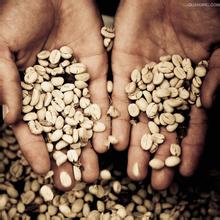
The history and culture of coffee and its advantages and disadvantages to the human body
It is said that in the sixth century, a shepherd in Ethiopia found his sheep jumping everywhere. He carefully observed that the sheep had this excited reaction after eating only one kind of red tiredness. He tried to share the fruit among others, and all the people felt refreshed and refreshed after eating it, so the fruit was used as a pick-me-up.

Africa's most famous Kocher estate boutique coffee beans origin and development history and culture brief introduction
These mountain villages are foggy, spring all year round, cool but not hot in summer, rain but not damp in winter, and they breed unique regional flavors of citrus and flowers. Coffee trees are grown mostly in farmers 'backyards or mixed with other crops in their fields. Let's start with Ethiopia. Around the sixth century AD, there was an Arab shepherd.

The Seventh History of European Culture on the Coffee Table the years when cafes were banned
A cup of coffee has been drunk for 350 years-in the days when cafes were banned, modern people can drink coffee as they like, but coffee has had a rough ban in history. It is said that the world's first ban on cafes can be traced back to the holy place of Mecca in 1511. The rulers thought that the parties on the coffee shop table would threaten their authority and closed all the cafes in the city.

There has been a rough ban on coffee in the history of coffee culture.
It is said that the world's first ban on cafes can be traced back to the holy place of Mecca in 1511. The rulers thought that the parties on the coffee shop table would threaten their authority and closed all the cafes in the city. As a result, the ban was repealed automatically because the Sultan fell in love with drinking coffee. When the Venetians first brought coffee to continental Europe, Pope Clemens VIII took a sip and announced the coffee.

Introduction to the characteristics of Larez Yaoke Coffee Flavor Manor in Puerto Rico with acidic taste
In Spanish, Puerto Rico means the port of wealth. The history of coffee in Puerto Rico dates back to 1736, when coffee seedlings were brought into the country by early Spanish settlers. In the 18th world, sugar cane was the main economic crop, so little attention was paid to it. At the beginning of the 19th century, the French began to move from the Mediterranean island of Corsica because of European politics.

A brief introduction to the Origin, Development, History and Culture of Fine Coffee beans in the fresh and bright Cochell Manor
In the fifties and sixties of this century, many African countries became independent one after another and adopted green, yellow and red as the colors of the national flag, so they were called pan-African colors. Ethiopia is one of the ancient countries in Africa, with a long history of more than 3000 years, giving green, yellow and red colors deeper roots in this land. Historically, they are closely related to the liturgy of the Coptic church.

Coffee in Asia what coffee beans are recommended to grow in Asia
Taiwan, China (China Taiwan) aroma 3.5 minutes brightness 3.5 minutes mellow 4 points flavor 4 points aftertaste 4 points suitable for baking degree: Full city/Espresso baking to deep baking, second explosion dense before the beans. As a matter of fact, the cultivation of coffee in Taiwan has a long history. Both the British and the Japanese have planted coffee trees in Taiwan, but they did not continue to do so because of many political and economic factors.

A brief introduction to the Origin, Development, History and Culture of Fine Coffee beans in the fresh and bright Cochell Manor
Ethiopia is rectangular, with a ratio of length to width of 3:2. From top to bottom, it is composed of green, yellow and red parallel equal horizontal rectangles, with the national emblem in the middle of the flag. Since the end of the 19th century, Ethiopia began to use the green, yellow and red cross-striped national flag. In modern history, Ethiopia is the first African country to join the forest of free nations. [8] to this century

The history of the spread of coffee, how is coffee popular? Why do Europeans like to drink coffee?
Coffee spread history: the earliest coffee originated in Ethiopia. In 525 AD, Ethiopian troops invaded Yemen, coffee beans carried by Ethiopian soldiers were also brought to Yemen, and coffee seeds also took root in Yemen. Later, coffee seeds were transported from Yemen to Egypt, and coffee was introduced.

Round and plump Rwandan fine coffee beans Origin and development History and culture Introduction
outRwanda has been growing coffee since colonial times. Although coffee is the main crop, the quality of coffee produced in Rwanda is not outstanding. The status of coffee in the world is low and few people pay attention to it. Rwanda grows mostly bourbon coffee varieties. Rwanda, known as the country of thousands of hills, has a high altitude mountain environment, fertile volcanic soil and abundant rainfall, which are conducive to